
Owning a home can reduce your tax burden through key deductions and credits. These include mortgage interest, property taxes, and home office deductions. This homediggidy.com article explores the primary tax benefits of homeownership and offers tips to maximize your savings.
Key Takeaways
- Homeowners can significantly reduce their taxable income through mortgage interest and property tax deductions, provided they itemize their deductions.
- Capital gains exclusion allows homeowners to exclude significant profits from the sale of their primary residence under certain conditions, preserving earnings.
- Tax credits for energy efficiency improvements, such as solar panel installation, can offer substantial savings and contribute to lower long-term costs.
Mortgage Interest Deduction
The mortgage interest deduction is highly regarded among tax benefits, particularly for homeowners. This deduction allows homeowners to:
- Deduct the interest paid on their home mortgage from their taxable income, potentially saving thousands of dollars annually.
- Deduct mortgage interest payments on loans up to $750,000 for joint filers.
- Deduct mortgage interest payments on loans up to $375,000 for separate filers. Additionally, mortgage interest deductions can significantly enhance the overall tax benefits for homeowners.
This means that if you have a significant mortgage, the interest you pay each year can substantially lower your taxable income.
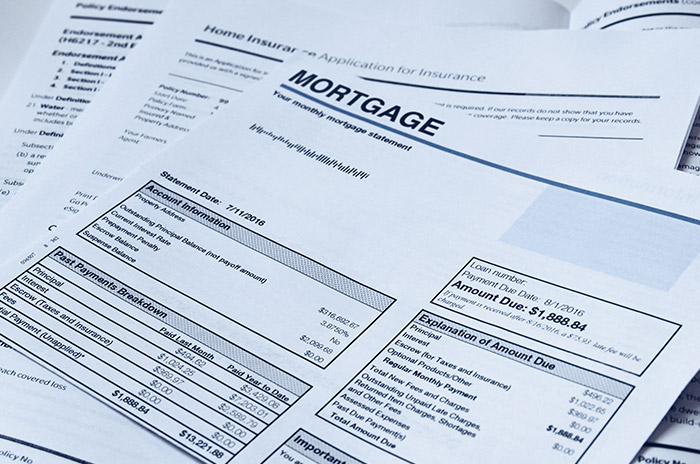
There are specific criteria to meet for mortgage interest to be deductible:
- The taxpayer’s home must secure the loan.
- Homeowners must use the funds to purchase, construct, or renovate their home.
- You must itemize your deductions on your tax return to claim this benefit.
While the standard deduction might be simpler, itemizing can provide significant savings, especially if your mortgage interest payments are high.
It’s important to note that the rules have changed over time. For mortgages taken out after December 15, 2017, the interest deduction is capped at $750,000 for joint filers. Homeowners with mortgages from before this date may still deduct interest on loans up to $1 million. Understanding these rules can help you maximize this valuable deduction.
Property Tax Deduction
Another significant tax advantage of homeownership is the property tax deduction. Most homeowners can claim state and local real estate taxes as deductions, but these are subject to a cap of $10,000 for single or joint filers, and $5,000 for married filing separately individuals. This deduction can provide substantial savings, especially in areas with high property taxes, underscoring the financial advantages of homeownership and related expenses.
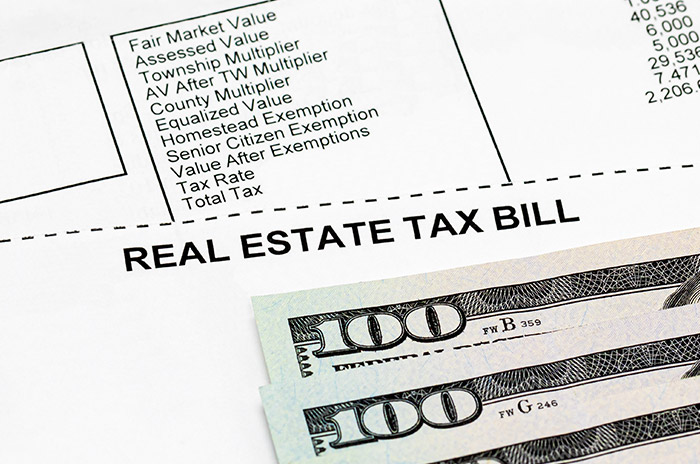
This deduction applies to various types of property, including primary homes, vacation homes, and even certain vehicles. By deducting these taxes, homeowners can lower their taxable income, which can be particularly beneficial in states with high property tax rates. It’s worth noting that to benefit from this tax deduction, homeowners must itemize their deductions on their tax returns.
Understanding the limits and conditions of the property tax deduction is crucial. While property taxes can be deducted, this deduction falls under the broader state and local taxes (SALT) cap of $10,000. Therefore, if your state and local income and property taxes exceed this amount, you won’t be able to deduct all of them. This makes careful tax planning and understanding local tax rates essential for maximizing your benefits.
Home Equity Loan Interest Deduction
Home equity loans and home equity lines of credit (HELOCs) offer another opportunity for tax savings. Homeowners may deduct interest on these loans when they use the funds to buy, build, or substantially improve the home securing the loan. This means that if you take out a home equity loan to renovate your kitchen or add a new bedroom, the interest you pay on that loan can reduce your taxable income.
For the tax years 2018 through 2025, interest on home equity loans is classified as acquisition debt when used for significant improvements. It’s important to remember that this deduction is an itemized deduction. Therefore, homeowners need to assess whether itemizing deductions will provide greater tax savings than the standard deduction.
Proper documentation and understanding of loan proceeds usage are key to maximizing this benefit.
Capital Gains Exclusion

When it comes time to sell your home, the capital gains exclusion can offer substantial tax relief. Homeowners can exclude up to $250,000 of capital gains from their taxable income when selling their primary residence if they are single, or up to $500,000 for married couples filing jointly. This exclusion can significantly reduce the amount of tax owed on the sale of a home, making it a powerful tool for preserving your profits.
To qualify for the capital gains exclusion, homeowners must have lived in the house for at least two of the last five years. This means that even if you move out before selling, as long as you meet the residency requirement, you can still benefit from this exclusion.
Planning your home sale with these exclusion limits in mind can maximize your financial benefits.
Home Office Deduction
In today’s era of remote work, the home office deduction has gained new relevance and importance. Taxpayers qualify for this deduction only if they use the space exclusively and regularly for business activities. This applies to freelancers, side gig workers, and small business owners who use part of their home as their primary place of business.
The home office deduction can be calculated in two ways. These are the simplified method and the regular method. The simplified method allows for a claim of $5 per square foot of home office space, limited to 300 square feet. The regular method, on the other hand, involves deducting a portion of home office expenses like mortgage interest and utilities for the area used for business. Choosing the proper method depends on your specific circumstances and the size of your home office.

Documentation is crucial when claiming the home office deduction. Homeowners should:
- Keep detailed records of their expenses.
- Use IRS Form 8829 for detailed expense calculations.
- Understand the principal place of business test, which determines if a home qualifies for the deduction based on where significant business activities are conducted. By maintaining proper records and understanding the qualifying criteria, homeowners can effectively leverage this deduction to reduce their tax burden.
Discount Points Deduction
Discount points, also known as prepaid interest, are fees paid to lower the mortgage interest rate. Homeowners can generally deduct a discount point paid to lower mortgage interest rates when securing a mortgage. This deduction can provide immediate tax savings and reduce the long-term cost of your mortgage.
For discount points to be deductible, they must be clearly shown on the settlement statement. Additionally, points paid by the seller on behalf of the buyer can be treated as if paid directly by the buyer for tax deduction purposes. This makes understanding your mortgage documents and the terms of your home purchase essential for maximizing this benefit.
Necessary Home Improvements
Specific necessary home improvements, particularly those made for medical accessibility, may qualify for tax deductions. Examples include installing ramps, widening doorways, and adding grab bars. These improvements are often essential for individuals with disabilities and can provide significant tax savings when they do not increase the property’s value.
If a home improvement increases the property’s value, the deduction must be reduced by that increase. General upgrades and regular home maintenance, however, do not qualify for tax deductions. Homeowners should carefully document the purpose and costs of improvements to ensure they can claim the appropriate deductions.
Tax Credits for Energy Efficiency

Homeowners looking to make their homes more energy-efficient can benefit from various tax credits. Installing renewable energy systems, like solar panels, can qualify for federal tax credits. Homeowners can receive a tax credit of up to $3,200 for qualified energy-efficient improvements made after January 1, 2023.
The Energy Efficient Home Improvement Credit allows for a maximum annual credit of $1,200 for eligible energy-efficient property and home improvements. Additionally, tax credits for installing heat pumps, water heaters, and biomass stoves can provide up to $2,000 per year. Proper documentation and ensuring installations meet specific energy efficiency standards are crucial for successfully claiming these credits.
Mortgage Insurance Premiums
As of January 1, 2023, the deduction for mortgage insurance premiums is not available. Homeowners cannot claim mortgage insurance premiums as a tax deduction for tax years after 2022.
Consulting with a tax professional can keep you informed about changes to this and other tax benefits.
Real Estate Tax Deduction
Real estate tax deductions provide another avenue for lowering taxable income. Homeowners can deduct real estate taxes as part of their itemized deductions. Taxpayers must opt for itemizing rather than taking the standard deduction to benefit from these property tax deductions. This can be particularly advantageous in areas with high property taxes.
To qualify for this deduction, property taxes must be assessed uniformly and not for special services or privileges. Homeowners can also prepay their property taxes to maximize deductions.
Schedule A must be used for itemizing deductions on tax returns to claim this benefit.
Tips for Effective Tax Planning
Effective tax planning can help homeowners maximize their savings and investments. Understanding available tax credits and deductions within the tax code is crucial for making informed financial decisions, especially during tax time. Maintaining accurate records ensures that all eligible deductions and credits are claimed, providing potential tax advantages.
Consulting with a financial advisor can provide valuable guidance on the complexities of homeownership tax decisions. Additionally, homeowners’ association fees can be deductible if the property is used for rental or business purposes. By staying informed and planning strategically, homeowners can maximize the tax benefits available to them.
Home Tax Benefits Summary
Understanding the tax benefits of homeownership can lead to significant financial savings. From mortgage interest deductions to tax credits for energy efficiency, these benefits can reduce your tax burden and increase your financial well-being. By staying informed and consulting with tax professionals, homeowners can make the most of these opportunities and enjoy the full advantages of owning a home.
Frequently Asked Questions
How much of my house can I write off for taxes?
You can write off the property taxes paid on your primary residence and other real estate, capped at a total of $10,000, in addition to deducting mortgage interest on loans up to $750,000. Ensure you itemize your deductions to take advantage of these benefits.
Can I deduct mortgage interest on a second home?
Yes, mortgage interest on a second home is deductible, following the same limits and conditions as applicable to your primary residence.
Are property taxes on rental properties deductible?
Property taxes on rental properties are indeed deductible as they are considered part of the expenses necessary for managing and maintaining the property. This deduction can help reduce your overall taxable income.
How do I qualify for the home office deduction?
To qualify for the home office deduction, ensure that the designated space is used exclusively and regularly for business activities, adhering to specific IRS criteria. This careful adherence is essential for maximizing your deduction eligibility.
What types of home improvements qualify for tax deductions?
Necessary home improvements for medical accessibility, such as installing ramps or widening doorways, qualify for tax deductions if they do not increase the property’s value.